Local SEO Competitor Analysis in RateGather | RateGather
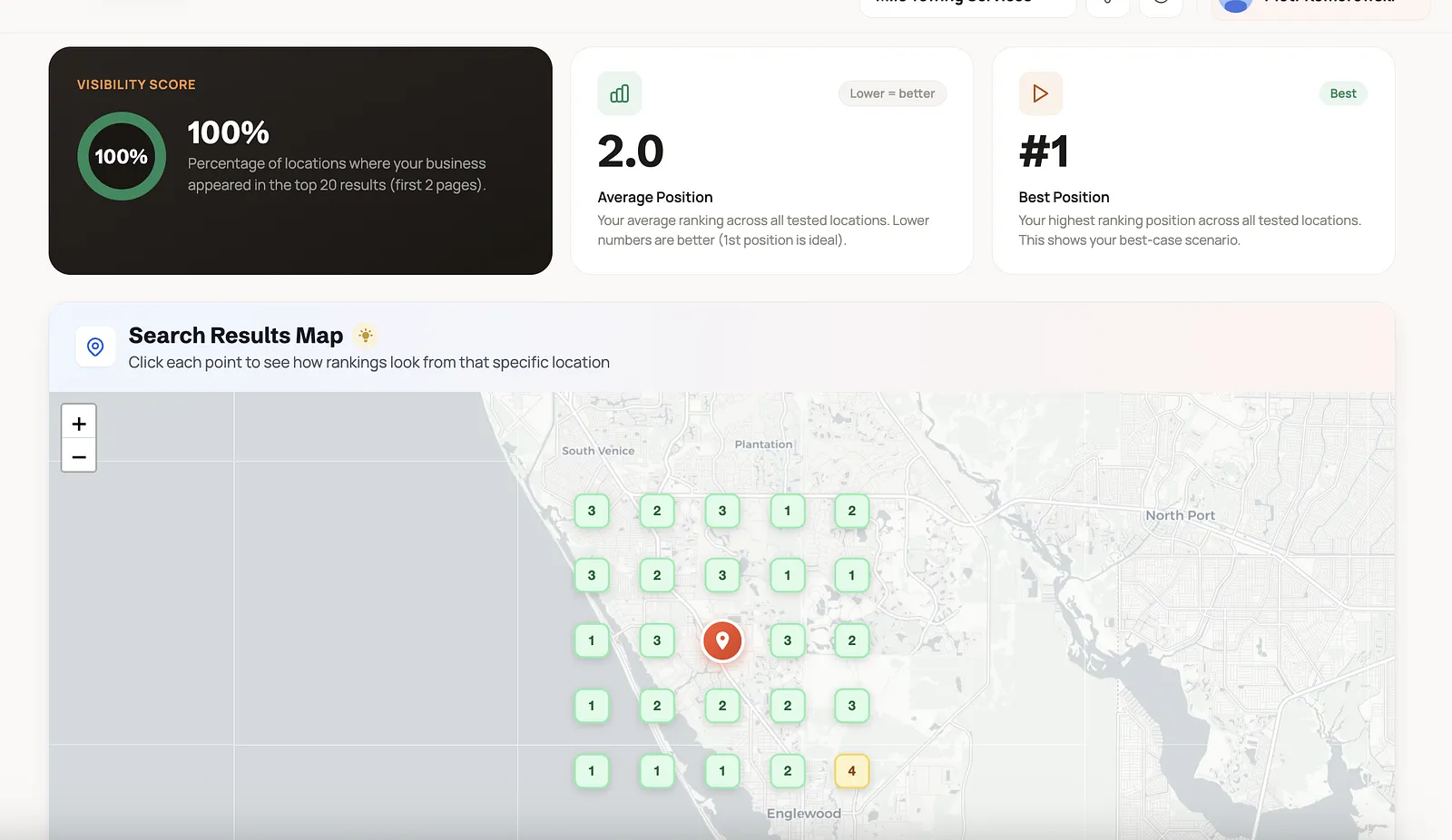
Understanding what your competitors are doing in local search isn't just about keeping up. It's about finding the opportunities they've missed. A thorough competitor analysis reveals gaps in keywords, content, citations, and customer engagement that you can turn into real advantages for your business.
Why Local Search Competitor Analysis Matters
Most businesses know who their competitors are in the physical world, but local search competition works differently. A café three blocks away might not rank for the same queries as yours, while a business across town could dominate the map pack for terms you care about. Analyzing the local search landscape shows you who is actually competing for your visibility online.
The real value lies in spotting what others are missing. Maybe a competitor ranks well but ignores question-based queries. Perhaps they have strong citations but weak review engagement. These gaps become your roadmap. When you know where competitors fall short, you can allocate resources to those exact areas and capture traffic they're leaving on the table.
This kind of analysis separates businesses that grow from those that plateau. You're not copying what works elsewhere. You're building on it and filling the voids.
Identifying Your True Local Search Competitors
Start by searching the core terms your customers use. If you run a plumbing service, search "plumber near me" or "emergency plumber" and note which businesses appear in the map pack and organic results. These are your real competitors for local visibility, not necessarily the ones you see at networking events.
Pay attention to businesses that rank for multiple related queries. A competitor showing up for "leak repair," "drain cleaning," and "water heater installation" has built topic authority you need to understand. Use incognito mode or location-specific tools to see results as a local searcher would.
Don't limit your view to direct competitors. Sometimes a directory, a review site, or a local blog occupies prime real estate for queries you want. These represent different types of opportunities: you might create better content, claim an overlooked listing, or partner with a local publisher.
Analyzing Competitor Keyword Strategies
Once you know who ranks, dig into the keywords they target. Look at their Google Business Profile descriptions, website title tags, and service pages. Are they focusing on broad terms like "dentist" or long-tail phrases like "pediatric dentist accepting new patients"? The pattern tells you their strategy and where they might be vulnerable.
Search for neighborhood and district names combined with your service terms. If competitors rank citywide but ignore specific areas, those hyper-local terms are low-hanging fruit. A single page targeting a neighborhood they overlook can bring in qualified leads with less competition.
The best keyword gaps are the ones customers actually search but no competitor has claimed. Use autocomplete suggestions, "People also ask" boxes, and related searches at the bottom of Google results. If you see questions or variations no one is answering well, you've found an opportunity to create content that ranks quickly and converts.
Evaluating Content Gaps and Quality
Content is where many local businesses leave the biggest gaps. A competitor might have a service page for "roof repair" but no blog post explaining when to repair versus replace, no FAQ addressing insurance claims, and no case study showing past work. Each missing piece is a chance for you to provide more value and capture search traffic.
Look at the depth and freshness of competitor content. A page written in 2019 with 300 words won't hold up against a detailed, updated guide. Check if they answer common customer questions, include images or videos, and cover related topics. Thin or outdated content signals an opening.
Finding Content Topics Competitors Ignore
Browse competitor blogs and resource sections. Note what they publish and, more importantly, what they don't. If every HVAC company writes about filter changes but no one explains ductwork inspection or smart thermostat installation, those topics are yours to own.
Check the "People also ask" section for your main keywords. Questions that appear repeatedly but aren't answered on competitor sites represent content gaps. A single well-written article addressing three or four of these questions can rank for dozens of related queries and establish your expertise.
Assessing Content Format and User Experience
Content quality isn't just about words. Look at how competitors present information. Do they use step-by-step guides, videos, infographics, or comparison tables? If everyone in your space relies on text-only blog posts, adding visual content or interactive tools can differentiate you and improve engagement.
User experience matters as much as the content itself. A competitor with great information buried in a slow-loading, mobile-unfriendly page is vulnerable. If you deliver the same value in a faster, cleaner format, you'll win both rankings and conversions.
Reviewing Citation Profiles and Local Listings
Citations (mentions of your business name, address, and phone number on other websites) build local search authority. Check where your competitors are listed. Start with major directories like Yelp, Yellow Pages, and industry-specific platforms, then look for local chambers of commerce, community blogs, and regional business associations.
Use a spreadsheet to track which directories competitors appear on and which they've missed. If a competitor has 40 citations and you have 15, you know you need to catch up. But if they're on generic directories and you find niche or local listings they've skipped, you can build authority in places that matter more to your audience.
Consistency across citations is just as important as quantity. If a competitor's NAP information varies from site to site, search engines may not trust their data. Your opportunity is to maintain perfect consistency and claim the reliability advantage.
Studying Review Volume and Engagement
Reviews influence both rankings and customer decisions. Count how many reviews competitors have on Google, Yelp, Facebook, and industry platforms. A business with 200 Google reviews has a significant advantage over one with 30, but volume alone doesn't tell the whole story.
Read the reviews themselves. Look for patterns in what customers praise and what they complain about. If multiple reviews mention slow response times or unclear pricing, those are service gaps you can address and promote. Competitors who don't respond to reviews (especially negative ones) miss a chance to show they care, and that's an opening for you to demonstrate better customer service publicly.
Check review recency. A business with 100 reviews but none in the past six months may have lost momentum. If you're generating fresh reviews consistently, search engines and customers will see you as more active and trustworthy.
Examining Backlink Profiles
Backlinks from other websites signal authority to search engines. Use a tool like Ahrefs, Moz, or SEMrush to see which sites link to your competitors. Are they getting links from local news outlets, community organizations, or industry blogs? Those same sources might link to you if you reach out with a compelling story or resource.
Look for link-building tactics competitors use. Do they sponsor local events, publish guest posts, or create shareable resources like guides or infographics? If a competitor has a link from a business directory or local chamber site you're not on, that's a quick win to pursue.
Identify broken or outdated links pointing to competitors. If a local blog links to a competitor's resource that no longer exists, you can create a better version and suggest the blogger update the link to your content. This tactic, called broken link building, turns competitor weaknesses into your link opportunities.
Analyzing Google Business Profile Optimization
Your Google Business Profile is the foundation of local search visibility. Compare your profile to competitors'. Do they have more photos, posts, or Q&A responses? Are their business hours accurate and up to date? Small details like adding attributes ("wheelchair accessible," "free Wi-Fi") can make a difference in how often you appear in filtered searches.
Check how competitors use the posts feature. If they share updates, promotions, or events regularly and you don't, they're staying top-of-mind with potential customers. If they're not posting at all, consistent updates give you an edge.
The businesses that show up in the map pack often have complete, active profiles with recent photos and regular customer interaction. If a competitor's profile is sparse or outdated, you have a clear opportunity to outperform them by keeping yours fresh and engaging.
Turning Analysis Into Action
Data alone won't move the needle. Once you've identified gaps, prioritize them by impact and effort. A quick win might be claiming a citation on a local directory your competitors missed. A bigger project could be creating a comprehensive guide on a topic no one else covers well.
Focus on areas where you can realistically outperform competitors. If a rival has 500 backlinks and a decade of content, you won't catch up overnight. But if they ignore a specific service area, lack video content, or have inconsistent citations, those are battles you can win in weeks or months.
Track your progress over time. Revisit competitor rankings, review counts, and content every quarter. As you close gaps and exploit opportunities, you'll see your visibility grow. The businesses that treat competitor analysis as an ongoing habit, not a one-time task, build sustainable advantages in local search.